
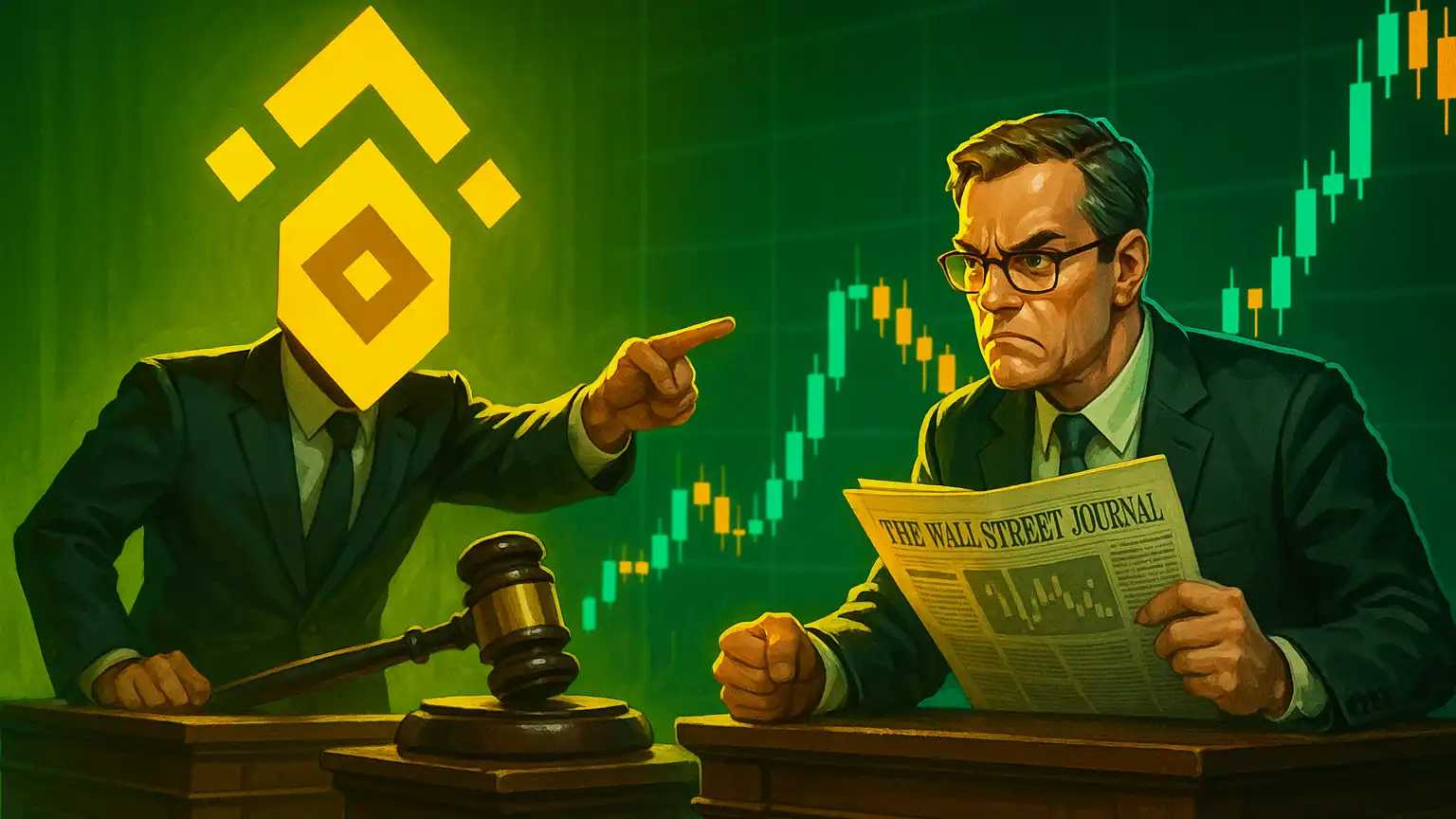
How a Single Article Sparked a Federal Lawsuit
On March 11, 2026, Binance did something few crypto companies have dared: it sued the Wall Street Journal for defamation. The lawsuit, filed in New York’s Southern District Court, claims the newspaper knowingly published false information about how the exchange handles sanctions compliance. At the heart of the dispute is a February WSJ article alleging that Binance processed around one billion dollars for entities linked to Iran, then fired compliance workers who tried to flag the issue.
The market’s reaction was swift, if modest. Binance Coin dropped one percent to $640 within hours of the filing—a small dip, but enough to show that investors are still nervous about anything that hints at fresh regulatory trouble. What makes this lawsuit particularly striking is the timing. Just four months earlier, Binance had wrapped up a massive settlement with the U.S. Department of Justice. After years of admitting to compliance failures and paying hefty fines, the company is now switching tactics—fighting back publicly to defend its reputation.
What Binance Says the Journal Ignored
Binance’s legal team argues that the WSJ had plenty of evidence contradicting its story but chose not to use it. According to the court filing, reporters were given nineteen detailed responses covering twenty-seven questions, plus internal emails, audit logs, and records of reports sent to law enforcement. The exchange insists this documentation showed a dramatic turnaround: sanctions-related risk had fallen by nearly 97 percent since late 2023, thanks to better blockchain analysis tools, round-the-clock manual reviews, and a compliance department that now employs more than fifteen hundred people.
Then there’s the case of “Blessed Trust,” an account the WSJ highlighted as a channel for Iranian funds. Binance says it kicked that account off the platform and reported it to authorities back in 2025—a full year before the article came out. As for the fired employees the newspaper mentioned, CEO Richard Teng maintains they were let go for breaking internal data policies, not for blowing the whistle on sanctions violations.
The Legal Bar Binance Must Clear
While the immediate hit to BNB’s price was small, options traders have started pricing in more volatility for April contracts, signaling that the lawsuit isn’t just noise. Legally, Binance faces a steep climb. To win a defamation case as a public figure in the U.S., it must prove “actual malice”—meaning the WSJ either knew its claims were false or published them with reckless disregard for the truth. That’s a high standard, set by the Supreme Court to protect press freedom.
If Binance pulls it off, the payoff could be significant: punitive damages and a rare public retraction from one of the world’s most respected financial newspapers. But if the case gets tossed, it could embolden investigative reporters to keep digging into crypto companies without fear of legal retaliation.
Why This Case Matters Beyond the Courtroom
This isn’t just a legal fight—it’s a test of who gets to control the narrative in crypto. For regulators and lawmakers already debating tighter rules, the court’s findings on Binance’s current compliance practices will offer a real-world benchmark for whether voluntary reforms actually work. For newsrooms, a loss could make reporters more cautious about investigating exchanges, especially when data is murky or blockchain forensics can be interpreted multiple ways.
And for investors, the whole episode underscores a hard lesson from the post-FTX era: legal drama moves prices just as much as technical upgrades or macroeconomic trends. As both sides prepare for the first hearing, they’re expected to share disclosure lists that will give the public an unusually detailed look at how crypto compliance really works—and how major media outlets decide what stories to run. Whether the case settles quietly or ends with a landmark verdict, it’s already redrawing the line between corporate reputation management and investigative journalism in digital finance.