
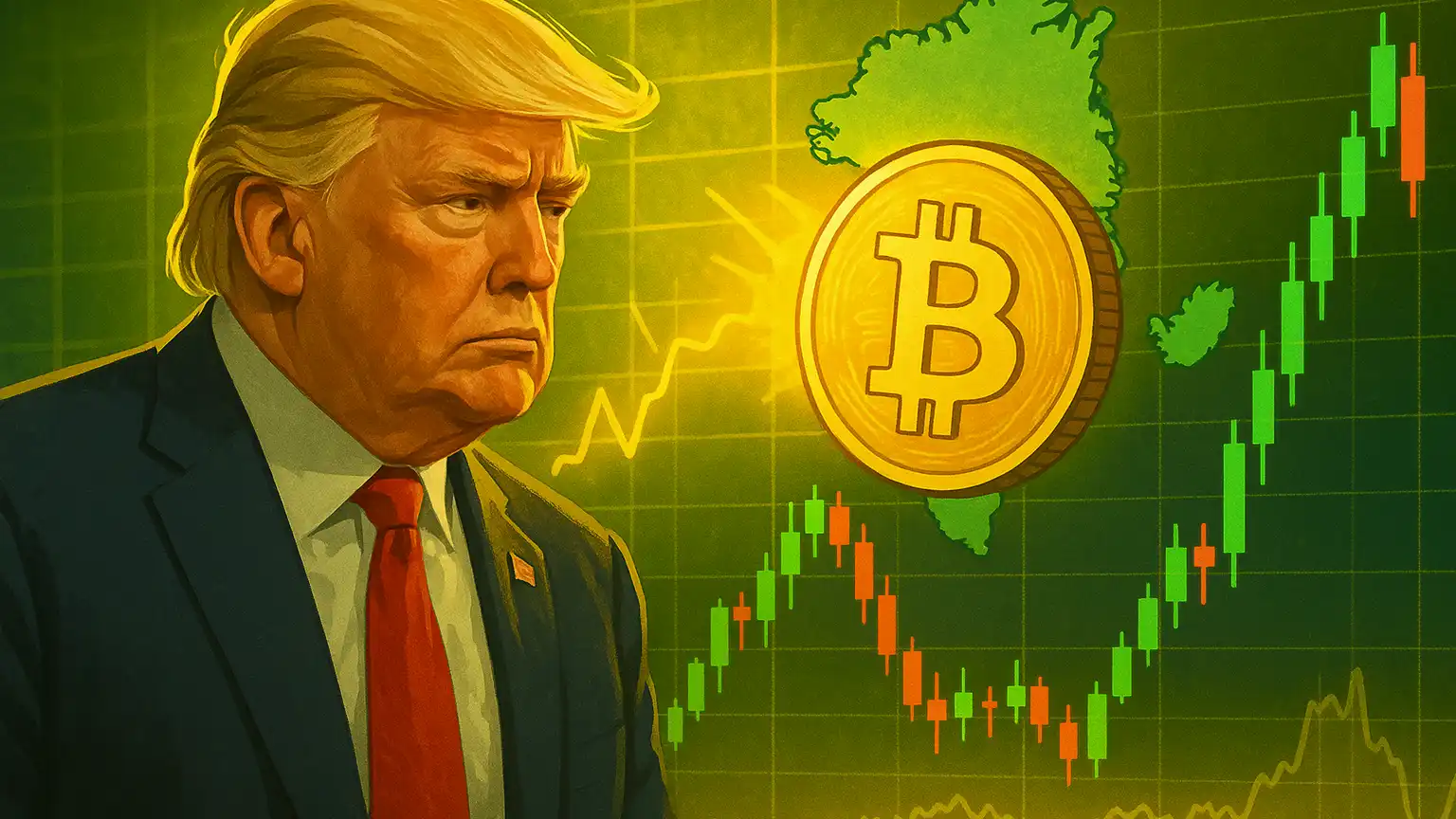
Tariffs Ignite the Sharpest Transatlantic Standoff in a Generation
Washington just dropped a diplomatic bombshell. Starting February 1st, the U.S. will slap a 10% tariff on imports from eight European allies—Denmark, Norway, Sweden, France, Germany, the UK, the Netherlands, and Finland. The kicker? That rate jumps to 25% by June unless Denmark agrees to sell Greenland to the United States.
President Trump called it “just business,” but European leaders aren’t buying it. The reaction has been swift and furious. Britain’s Keir Starmer said the tariffs are “completely wrong.” France’s Emmanuel Macron warned that “no intimidation nor threat will influence us.” Even Finland’s Alexander Stubb, usually measured in his tone, reminded everyone that “among allies, issues are resolved through dialogue, not pressure.”
On the streets of Nuuk and Copenhagen, protesters hoisted banners reading “Hands Off Greenland.” Emergency meetings in Brussels produced something rare—complete unity among EU members. This isn’t your typical trade spat. It’s pushing U.S.-Europe relations to their lowest point since the Cold War ended.
For crypto traders, the timing couldn’t be worse. The first wave of tariffs hits during earnings season, when exchange liquidity typically dries up. Anyone who was around in October 2025 remembers what happened when Trump slapped a 100% tariff on Chinese goods—it triggered one of the nastiest liquidation cascades in digital asset history. Now traders are worried we might see a sequel, except this time it’s aimed at America’s oldest allies.
Market Memory: October 2025 Liquidations Haunt Today’s Order Books
Bitcoin is stuck in neutral, hovering around $95,000 in a tight $3,000 range. It’s been trapped there since New Year’s Day. On-chain data shows leverage slowly creeping back up, but open interest is still 18% below where it was in September 2025. That wound hasn’t healed yet.
The October tariff shock taught the market a brutal lesson: geopolitical headlines can wipe out risk models in an instant. In less than 24 hours, $19 billion in crypto positions got liquidated and 1.6 million accounts were force-closed. Exchange operators haven’t forgotten. Several major platforms quietly dialed back maximum retail leverage from 125x to 50x, bracing for more turbulence.
This time feels different, though—and potentially more dangerous. Unlike China, these European countries have deep financial ties to Wall Street. European pension funds control roughly 8% of the global Bitcoin supply through spot ETFs and direct custody. If Brussels retaliates with counter-tariffs or torpedoes the recently negotiated zero-tariff trade deal, the funding stress could hit crypto collateral desks right as Asian liquidity thins out ahead of Lunar New Year.
Analysts Split on Whether Sideways Price Action Can Survive the Policy Storm
Derivatives traders from Chicago to Singapore describe the current market as “calm but brittle.” CryptoQuant founder Ki Young Ju thinks big institutions have fundamentally changed market dynamics. He says they’ve “killed the old whale-retail sell cycle” and points to the lack of panic selling despite the negative headlines. His base case? “Boring sideways” for months—unless the U.S.-EU trade war escalates.
John Glover, chief investment officer at Ledn, sees Bitcoin stuck in Wave IV of its longer-term Elliott Wave pattern. He’s watching two key levels: a weekly close below $95,000 could push Bitcoin down to $80,000, while a decisive break above $104,000 would signal the start of Wave V and a run toward new all-time highs.
Options Markets Tell a Different Story
Options traders aren’t quite as relaxed. One-week at-the-money implied volatility jumped from 42% to 58% within hours of the tariff announcement. The 25-delta put-call skew flipped negative for the first time since last April, meaning traders are scrambling for downside protection.
Still, funding rates on perpetual futures remain slightly positive, which suggests long-term holders aren’t panicking yet. The consensus seems to be: expect fireworks, but don’t assume we’re entering a structural bear market.
What happens next probably depends on two separate timelines running in parallel. First, there’s the tariff escalation path that peaks in June. Second, the U.S. Supreme Court has a challenge to executive trade authority on its spring docket. If either of those tilts toward moderation, Bitcoin’s quiet consolidation might transform into the next leg up. If not, we could be looking at a replay of October 2025—this time with a distinctly European accent.