
Current State & Market Catalysts
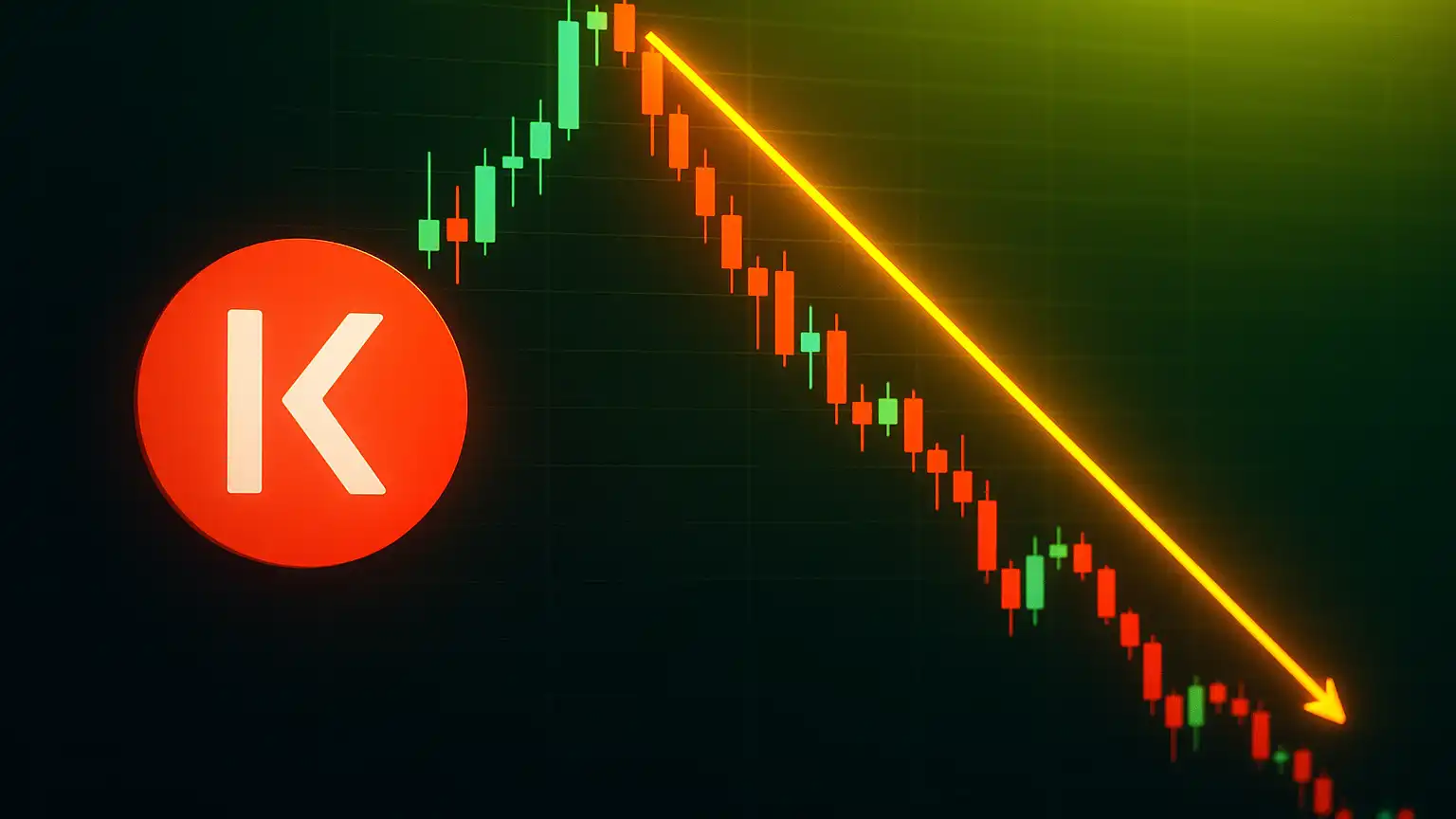
In the past 24 hours, Kava (KAVA/USDT) has taken a hit, falling about 9.22% to around $0.11401. This decline is part of a bigger downturn we’ve been seeing over recent weeks, mirroring the cautious mood that’s settled across the broader crypto market. What’s driving this? Well, there’s growing unease about regulatory uncertainties and questions around decentralization. A recent report raised some eyebrows by identifying Kava as one of the blockchains where “fund-freezing” features could potentially be activated through relatively minor code tweaks—naturally, that’s made investors a bit nervous. On top of that, we’re seeing weaker demand stemming from lower collateral ratios and declining trading volume, which has only added fuel to the fire.
Looking at the technicals on the 4-hour chart, things aren’t looking particularly cheerful either. The Relative Strength Index (RSI) is sitting around 28.6, which tells us the asset is in oversold territory. The MACD line is below its signal line with a negative histogram, confirming that bearish momentum is still in play. The 4-hour simple moving average (SMA) hovers near $0.12445, while the exponential moving average (EMA) sits slightly lower at roughly $0.12236—both are currently acting as overhead resistance, keeping price action suppressed.
Key Levels & Indicator Interpretation
Using traditional pivot points calculated from daily data, we can map out some important levels to watch. Resistance is stacked around $0.12117 (R1), $0.12833 (R2), and pushing up toward $0.13277 (R3). On the flip side, support zones are positioned closer to $0.10957 (S1), $0.10513 (S2), and down at $0.09797 (S3). The daily pivot point sits at approximately $0.11673. Right now, price is trading below several key moving averages, and both the 4-hour SMA and EMA are suggesting that resistance above current levels remains firmly in place. The MACD is showing increased bearish divergence, though the oversold RSI does hint that we might see a short-term bounce or consolidation phase rather than an immediate reversal.
Risk vs Potential Rally Zones
If bulls want to make a comeback, the first hurdle would be reclaiming the $0.1167 level (that daily pivot), then pushing toward the $0.121-$0.128 resistance band. For that to happen, we’d need to see buying volume pick up, potentially sparked by positive news from the ecosystem or a broader market rally. On the other hand, if sellers keep the upper hand and those SMA/EMA resistance levels hold firm, we could see a breakdown toward $0.1095 or even $0.1051. A drop below the S2 zone might open the door to even deeper losses, potentially testing $0.0980 or lower.
Forecast & Timeframes
Over the next few days, expect KAVA to likely consolidate somewhere between $0.109 and $0.122, with occasional pushes to test resistance that could fizzle out if momentum stays weak. In a more bearish scenario, price might drift down toward the $0.105-$0.110 range. For the bulls, a recovery above $0.122 would need to happen to challenge $0.128, but that would really need a strong catalyst or clear reversal signals—think bullish divergence on the MACD or the RSI bouncing back above 30 with solid volume backing it up.
Looking further ahead over the coming weeks, if KAVA can’t get back above that daily pivot and remains pinned below SMA resistance, sentiment will likely keep souring, which could push us toward those lower support levels. That said, any major protocol announcements, new bridge integrations, or regulatory clarity could completely flip the script and push these projections in a more positive direction.
Emerging News & Strategic Considerations
On the development side, there’s been some positive movement. A non-custodial bridge for native USDT on Kava was recently expanded to include VeChain, which should help boost cross-chain liquidity and strengthen KAVA’s role in DeFi applications. Still, those decentralization concerns we mentioned earlier aren’t going away—the reports about potential fund-freezing capabilities have definitely caught the attention of privacy-focused investors. It’s worth keeping a close eye on what the protocol’s governance is up to and how developers address these concerns.
From a trading standpoint, shorter to medium-term positions might make more sense right now, with tight stop-losses placed below key support zones. If you’re a long-term holder, this oversold condition could present an accumulation opportunity—just make sure you’re managing your risk carefully and waiting for solid confirmation of a reversal before jumping in too aggressively.