
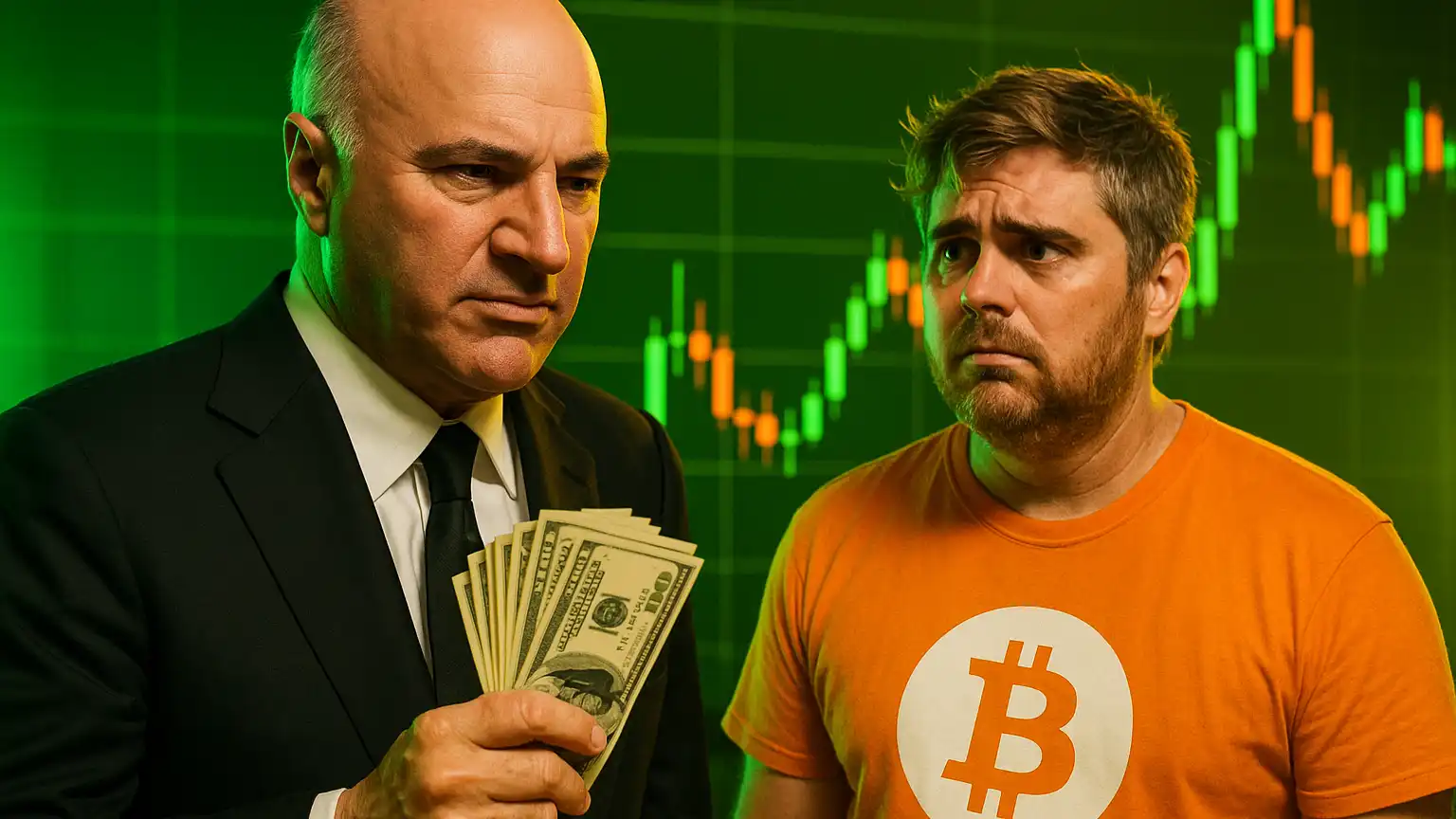
The Florida Court Ruling
Kevin O’Leary, the Shark Tank investor and venture capitalist, just won a
default judgment worth about $2.8 million against Ben Armstrong,
the former YouTube personality known as BitBoy Crypto. Judge Beth Bloom
in Florida’s Southern District broke down the damages into $78,000
for harm to O’Leary’s reputation, $750,000 for emotional distress,
and a hefty $2 million in punitive damages—a clear message that
the court saw Armstrong’s behavior as deliberate and reckless.
According to court documents, Armstrong spent months calling O’Leary a “murderer”
on social media, repeatedly bringing up a 2019 boating accident involving O’Leary’s
wife. She was acquitted in 2021, but Armstrong kept pushing the narrative anyway.
He also posted O’Leary’s private phone number online and encouraged his followers
to harass him directly. When O’Leary filed the defamation lawsuit, Armstrong
missed the deadline to respond, which led to an automatic default judgment.
He later tried to overturn that default, claiming mental health issues and a
short jail stint prevented him from defending himself on time. The judge wasn’t
convinced and rejected his request.
O’Leary’s lawyers argued that Armstrong’s massive following created real security
threats. They submitted evidence showing O’Leary had to beef up security at his
studio, which cost money and disrupted his operations. Judge Bloom agreed that
only a substantial punitive penalty would discourage similar attacks going forward.
Why This Matters for Crypto Influencers
This ruling arrives at a moment when crypto influencers are facing more scrutiny
than ever before. Regulators, courts, and investors are cracking down on undisclosed
sponsorships, misleading endorsements, and reckless promotion of dubious tokens.
What used to be the Wild West of social media hype is starting to look more like
a regulated marketplace where large audiences don’t automatically provide legal
immunity.
Armstrong’s story is especially striking because of how far he’s fallen. Just a
couple years ago, he had millions of followers and lucrative sponsorship deals.
Last year, he was pushed out of the HIT Network—the media company he founded—amid
accusations of substance abuse and financial misconduct. Now this multi-million
dollar judgment adds another layer of trouble, making it harder for him to land
brand partnerships and potentially forcing him to liquidate assets.
Other crypto influencers are already changing how they operate. Top YouTube
channels are adding detailed legal disclaimers to their videos. Major exchanges
are inserting clauses into influencer contracts that ban baseless attacks on
competitors or public figures. The freewheeling days of “Crypto Twitter,” where
personalities could say almost anything without consequence, are giving way to
lawyer-reviewed posts and formal disclosures about conflicts of interest.
What This Means for Everyday Investors
For retail traders and crypto enthusiasts, the takeaway is simple: a big follower
count doesn’t equal trustworthiness. Defamation lawsuits might seem unrelated to
token prices, but every dollar someone like O’Leary collects ultimately flows
from an ecosystem that funds influencers through referral commissions, token
allocations, and paid promotions. As legal risks increase, honest analysts will
face higher compliance expenses, while shadier operators may retreat further
underground. That makes your own research more important than ever.
Institutional investors see this ruling as proof that U.S. courts are finally
catching up with crypto’s unique culture. Venture capital firms negotiating
marketing agreements now demand indemnification clauses that protect them if an
influencer crosses the line. Exchanges are building internal compliance teams to
review influencer content in real time. The result could be a slower but healthier
growth cycle in the next bull run—one where hype is tempered by actual accountability
rather than just fueled by viral posts.