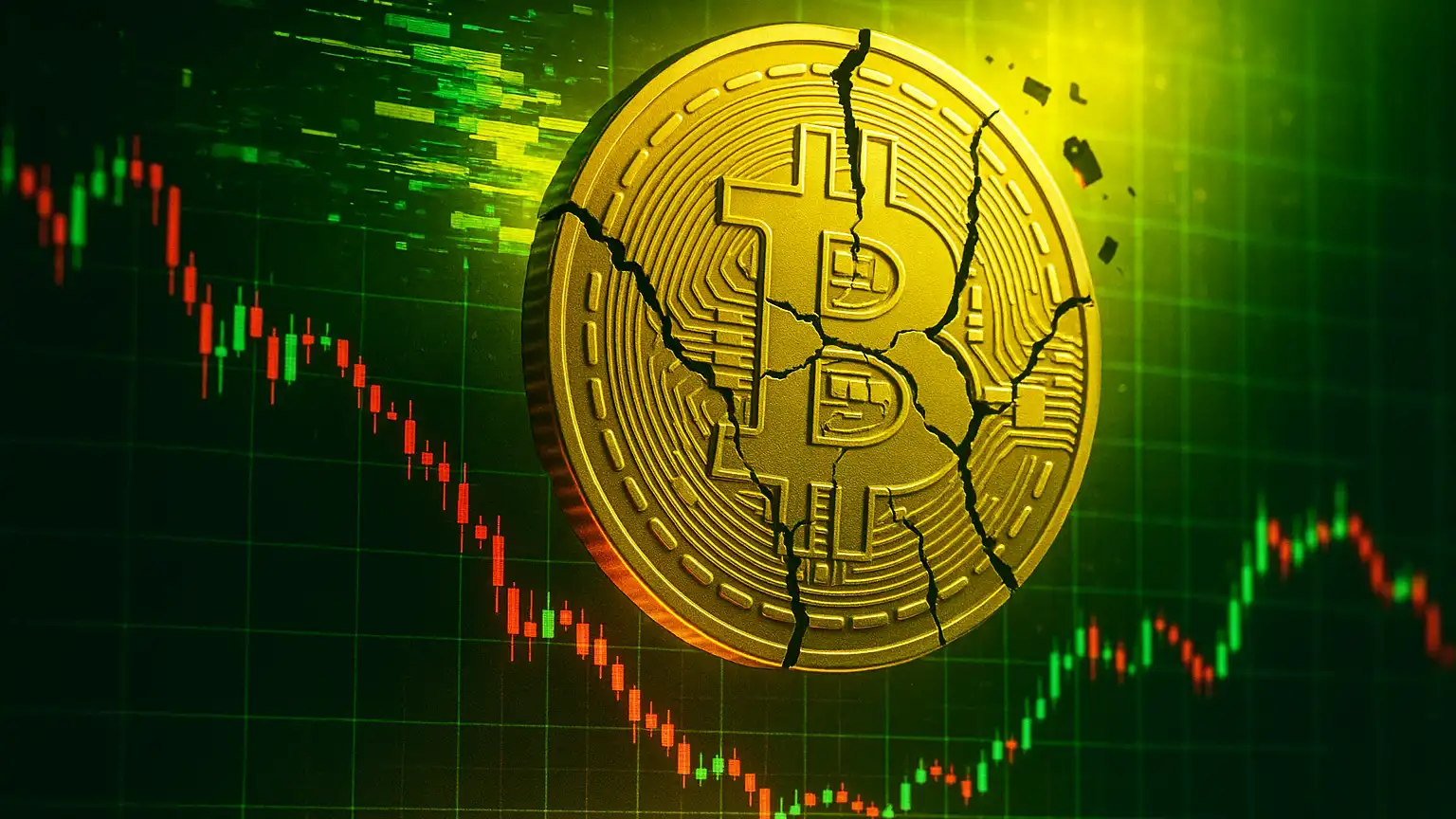
Early Sunday morning, what started as a routine database maintenance on Paradex turned into one of the messiest episodes in DeFi history. The Starknet-based perpetual futures exchange saw its price feeds collapse to zero, wiping out hundreds of millions in leveraged positions before engineers made the controversial decision to literally rewind the blockchain.
Engineers kicked off maintenance around 4:30 a.m. London time. Within five minutes, traders started posting screenshots showing Bitcoin, Ethereum, and Solana contracts all displaying $0.00. A well-known derivatives trader going by “Sniper ₿” captured video of liquidation alerts flooding every single market, calling it “thousands of positions nuked in seconds.” The platform’s own data later showed the worst liquidation wave hit at 5:02 UTC, erasing long positions worth hundreds of millions in notional value.
The pricing bug didn’t hit everyone equally. Long positions got liquidated at zero while shorts somehow kept settling near the actual Bitcoin spot price of around $92,600. Since Paradex runs on an automated liquidation system rather than human oversight, the broken oracle forced instant liquidations across the board to prevent accounts from going negative. With $650 million in open interest at stake, the damage spread fast.
At the worst point, Paradex shut down everything—trading interface, API, bridge, block explorer, the works. DefiLlama numbers from the day before showed the platform had processed nearly $1.6 billion in volume and was holding $225 million in user funds, making this single point of failure exceptionally dangerous.
Why They Decided to Rewind the Chain
About three hours after things went sideways, Paradex’s director of engineering Clement Ho hopped on Telegram to explain the plan. They’d identified the bug and were rolling back the Starknet chain to block 1,604,710, timestamped at 4:27:54 UTC—right before maintenance started. The rollback would erase every trade, deposit, and withdrawal that happened after that block, essentially hitting undo on the entire disaster.
Traders who got liquidated would get their positions back. But here’s the catch: anyone who made profitable trades during the chaos would see those gains disappear too. The exchange was choosing to treat those hours as if they never happened.
Chain rollbacks are incredibly rare in DeFi. They only happen when keeping the chain as-is would be worse than breaking the fundamental promise of immutability. The most famous example is Ethereum’s 2016 hard fork after the DAO hack. Even though Paradex runs on a layer-2 rollup rather than a main chain, the philosophical questions are the same. Critics say reversible blockchains kill the whole point of trustless systems. Supporters argue that protecting users from technical failures—not economic losses from bad trades—is worth bending the rules.
What Actually Broke
From what engineers have shared so far, a stale cache in the oracle service pushed zero-prices into the matching engine during the upgrade. Paradex settles funding payments continuously, so this bad data immediately broke the mark price calculations used for liquidation thresholds. The cascade only hit longs because shorts stayed above their margin requirements—the real external price never actually moved.
Paradex says their post-mortem will include new safeguards: checksum verification, isolated testing for oracle updates, and a circuit-breaker that pauses trading if prices swing more than 75% in a single block. Basically, the protections that probably should have existed from the start.
What This Means for DeFi Derivatives
Paradex has been pushing daily volumes into the billions, competing with smaller centralized exchanges. But this incident shows how fragile the infrastructure still is compared to traditional finance, where you’d have backup data feeds, kill-switches, and actual humans watching for anomalies. Over the past year alone, at least four major decentralized perps exchanges—including Aster back in September—have had similar price-feed disasters leading to forced liquidations or socialized losses.
Institutional traders watching from the sidelines might see this rollback as proof that on-chain derivatives aren’t ready for serious money. Regulators will probably use it as ammunition for arguing that decentralized platforms offering leverage need real disaster recovery standards, mandatory disclosures, and compensation policies. Users, meanwhile, are demanding transparent stress tests, proper insurance funds in stablecoins, and explicit rollback rules written into governance documents.
Paradex has brought trading back online and reopened withdrawals from some vaults, though deposits into their main Gigavault are still frozen pending a full balance audit. The broader lesson is pretty straightforward: DeFi’s pitch of 24/7 non-custodial leverage only works if the infrastructure can actually handle the volatility everyone’s trying to profit from.