
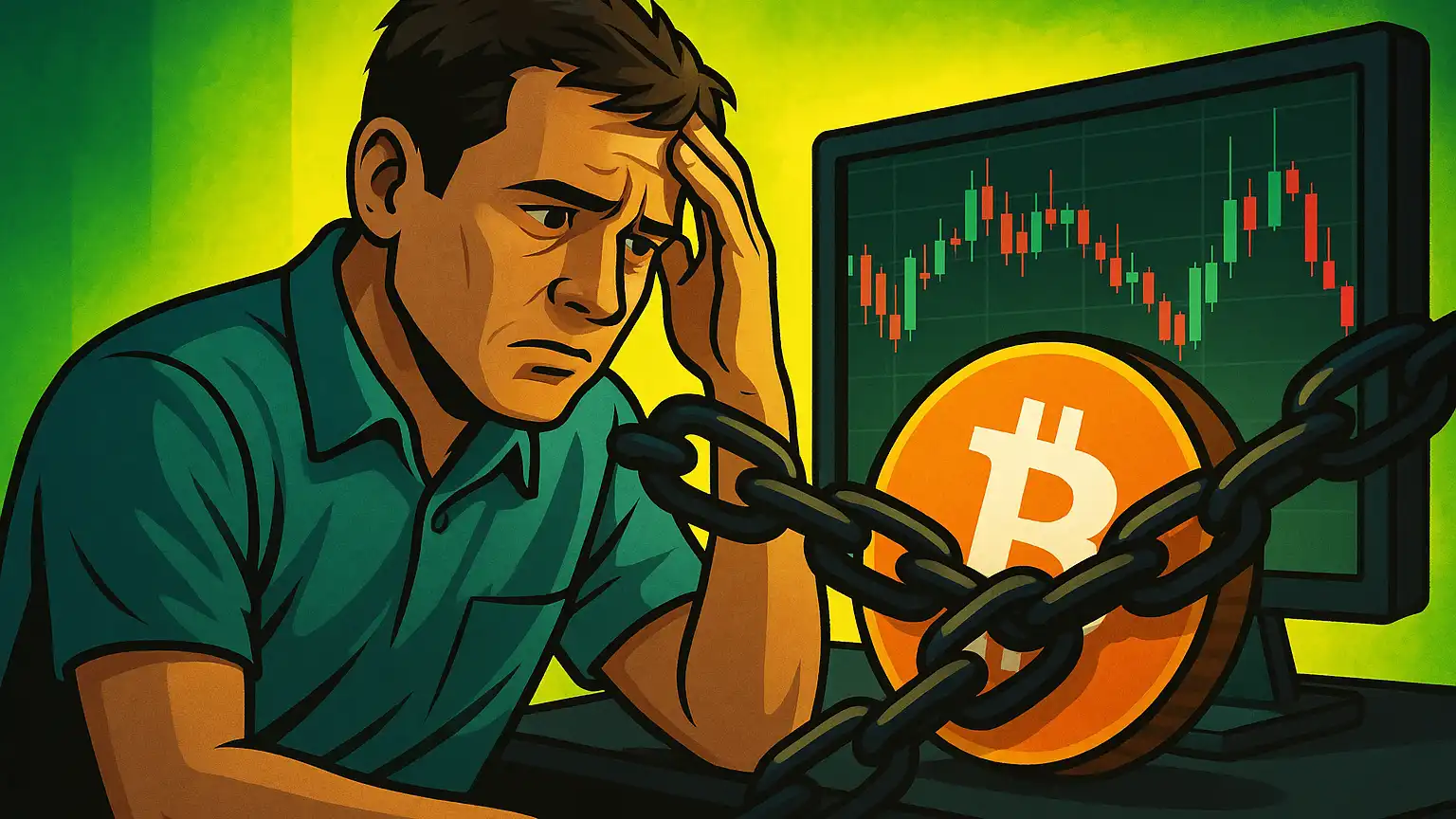
Internet users across the Philippines woke up this week to find their favorite cryptocurrency exchanges suddenly unreachable. One by one, traders discovered that sites that worked perfectly the day before now showed nothing but blank screens and timeout errors. Independent checks confirmed what many feared: internet service providers were actively blocking traffic to at least fifty trading platforms—including major U.S. exchanges like Coinbase and Gemini.
The blackout wasn’t random. It followed a direct order from the National Telecommunications Commission (NTC) telling all carriers to “immediately disable” access to any virtual-asset service provider that hadn’t secured a license from the Bangko Sentral ng Pilipinas (BSP), the country’s central bank.
For retail traders, the timing couldn’t have been worse. Mid-June had brought a fresh wave of liquidity driven by renewed U.S. spot-ETF enthusiasm, and many Filipino traders had moved their assets from local peso exchanges to dollar stablecoin markets abroad. Now, with connections severed overnight, users were stuck watching open orders they couldn’t cancel, staking rewards piling up in wallets they couldn’t access, and fiat off-ramps that had simply vanished.
Making matters worse, the customer-service lines for most affected exchanges weren’t reachable from Philippine phone numbers. “I watched the order book freeze in real time,” one Manila-based market maker told reporters. “My arbitrage bots kept pinging but never got a packet back.”
How We Got Here: Two Years of Tightening Rules
Philippine authorities insist this isn’t a blanket ban on crypto—it’s the natural next step in a regulatory process that’s been building for two years. BSP Circular 1206, finalized in late 2024, brought stricter capital requirements, mandatory cybersecurity audits, and—most importantly—gave the central bank the power to recommend blocking domains of exchanges that refused to comply.
The Securities and Exchange Commission (SEC) quickly followed up, warning offshore exchanges like OKX, Bybit, and Kraken that marketing to Filipinos without setting up a local entity could lead to civil penalties and, in some cases, criminal charges.
Consumer Protection or Capital Controls?
Officials say the crackdown is about protecting consumers. By pushing traders toward roughly two dozen licensed platforms, they argue, users get automatic deposit insurance through partner banks, segregated fund protections, and access to local dispute resolution if something goes wrong.
But critics aren’t buying it completely. The order came just days after the peso experienced its sharpest single-day drop of the year—raising questions about whether policymakers are also worried about rapid stablecoin outflows that sidestep traditional currency controls. The BSP denies any connection, maintaining that “financial stability and anti-money-laundering imperatives” drove the decision.
Timeline: From Warnings to Blackouts
• October 2023: The SEC gives Binance a 90-day window to get compliant
• March 2024: Philippine app stores start removing Binance listings; users begin migrating to other exchanges
• December 2024: A draft rule for crypto service providers opens for public comment, proposing tiered licenses and a regulatory sandbox
• June 2025: The NTC executes its first mass ISP block, affecting an estimated three million Filipino exchange accounts
Winners, Losers, and What Comes Next
While traders scramble, licensed local platforms are celebrating. PDAX, one of the earliest BSP license holders, reported a 280% spike in new account registrations within two days of the blackout. GoTyme Bank, which offers crypto trading built directly into its digital banking app, quickly rolled out an emergency migration tool that lets users import public keys from blocked exchanges and swap them for peso-backed receipts.
Both companies say they’re preparing larger liquidity pools to handle an expected flood of tether conversions as traders search for exit routes.
Beyond the Philippines, regulators in Indonesia and Malaysia are watching closely. Both countries have draft bills with similar language that would let telecom authorities shut down unlicensed platforms. For international exchanges, the choice is stark: either commit to local incorporation—with all the compliance costs and data-residency headaches that entails—or risk being progressively geo-blocked across Southeast Asia.
With nearly eleven million Filipinos estimated to hold digital assets, the market is too big to walk away from. But it now operates under one of the region’s strictest licensing regimes.
Whether this crackdown achieves its stated goal of consumer protection—or simply pushes trading underground into harder-to-monitor channels—remains to be seen. For now, the message from Manila is crystal clear: crypto in the Philippines has moved from an open, permissive space into a tightly regulated environment where access is a privilege, not a right.