Suspicious Timing: From Maduro’s Arrest to a Flurry of Prediction-Market Wins
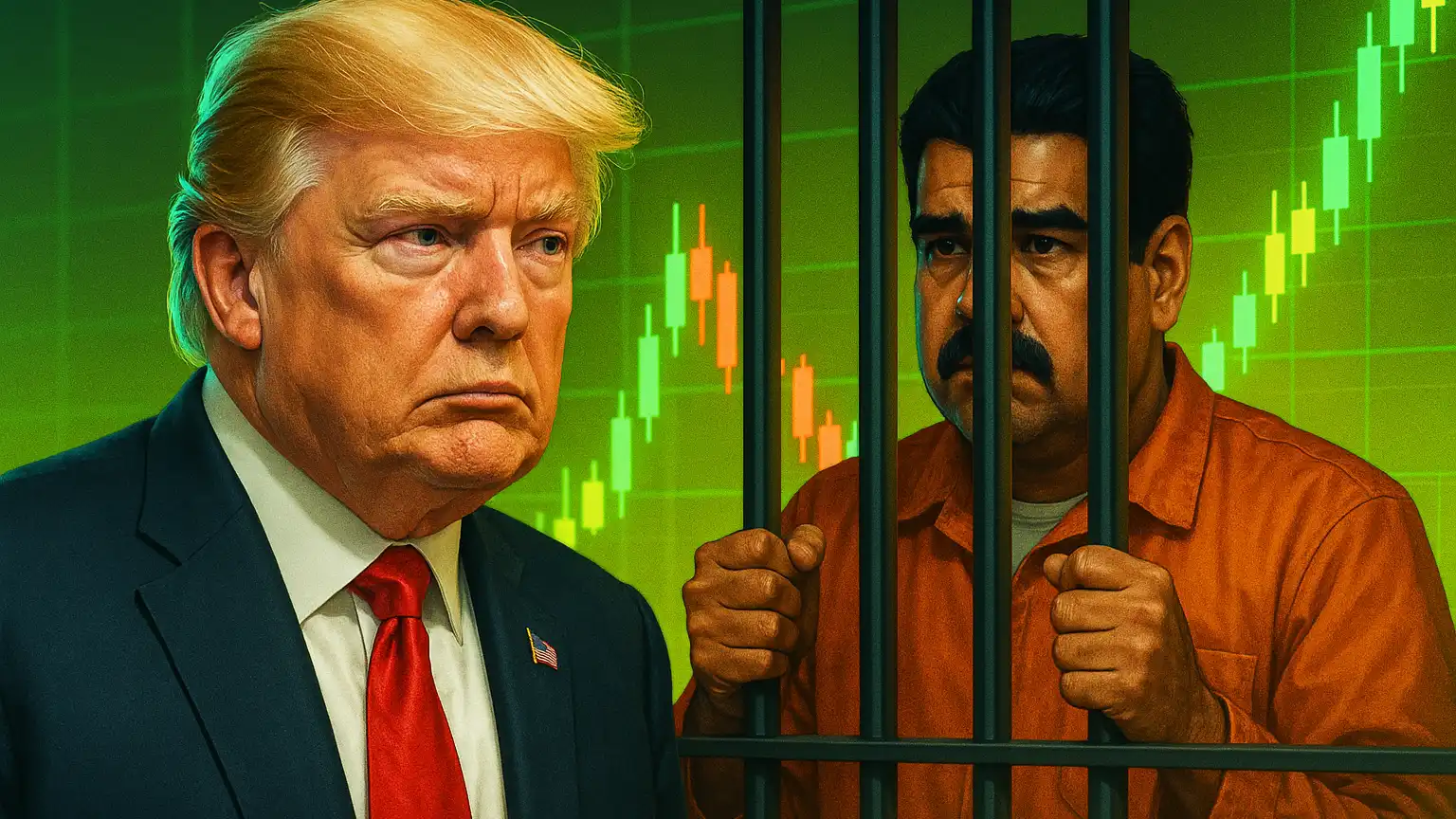
A single remark from President Trump this week has set off a firestorm around one of crypto’s hottest prediction platforms. Speaking from the Oval Office, Trump casually mentioned that “the leaker on Venezuela is in jail right now,” and that whoever it is could be looking at serious time for spilling classified details about the operation that brought down Venezuelan President Nicolás Maduro. He never said the word “crypto,” but traders immediately connected the dots to three Polymarket wallets that had placed suspiciously large bets on Maduro’s removal just hours before the news broke.
Those three wallets turned about forty-five thousand dollars into more than six hundred thirty thousand dollars in a matter of days, according to blockchain analytics firm Lookonchain. The timing was almost too perfect. Two of the wallets—labeled 0xa72DB1 and 0x31a56e—went completely silent right around the time Trump announced the arrest. Radio silence. The third wallet, going by SBet365, is still active and has already rolled its Venezuela winnings into a new bet on whether Iran’s Supreme Leader will be removed from power. Same playbook: fresh wallet, obscure political market, aggressive position taken right before the rumor mill starts churning.
National-Security Laws Collide with Open Blockchain Markets
This whole situation shows both the promise and the problems with blockchain transparency. On the one hand, every transaction is permanently recorded on-chain, giving investigators a clear trail to follow. On the other hand, wallets are pseudonymous, so matching an address to an actual person requires subpoenas, cooperation from exchanges, and old-fashioned detective work. Legal experts say prosecutors will likely reach for the Espionage Act and related statutes if they can prove someone with access to classified information used it to make these trades. Penalties can range anywhere from a few years in prison to decades, depending on how classified the information was, whether there was intent to harm U.S. interests, and how much money was made.
Defense attorneys are quick to point out that proving a leak case in court is harder than just tracing crypto flows. The government has to show that the trader knew about a classified operation beforehand and placed bets based specifically on that inside knowledge. Without a confession or damning text messages, the case might come down to circumstantial evidence and timing. That said, the Justice Department has been cracking down hard on Venezuela-related leaks lately, and Trump’s public statement suggests investigators may already have something solid—maybe cooperating witnesses or digital forensics linking at least one wallet to a federal employee.
Growing Pains for Prediction Markets Spur Calls for Reform
This Venezuela leak scandal comes at a tough time for Polymarket. The platform runs on the Polygon blockchain and settles bets in stablecoins, and it’s been growing like crazy among retail traders, political junkies, and even some hedge funds. But critics argue that truly open prediction markets can’t function properly when government insiders have access to privileged information. It erodes trust and turns what should be a wisdom-of-the-crowds mechanism into something that looks more like a rigged casino.
Just this month, Polymarket made things worse by refusing to pay out on a separate contract about a “U.S. invasion” of Venezuela. The platform argued that the military operation to grab Maduro didn’t technically count as an invasion because there was no intent to occupy territory. More than ten million dollars were tied up in that market, and furious traders accused Polymarket of moving the goalposts after the fact. When you combine that controversy with the leak allegations, it’s no wonder regulators are starting to circle.
Proposed Legislation Could Change the Game
Representative Ritchie Torres has already begun circulating draft legislation he’s calling the Public Integrity in Financial Prediction Markets Act. The bill would ban federal officials and political appointees from trading any contract related to government actions or political outcomes if they have access to non-public information. Torres says prediction markets can be useful for price discovery and forecasting, but they collapse into “legalized insider trading” when state secrets enter the picture. Industry lobbyists push back, arguing that existing securities and commodities laws, combined with blockchain transparency, should be enough to catch bad actors. But the image of a government leaker cashing in on classified intel is powerful, and it’s already giving momentum to calls for tighter rules.
We still don’t know for sure whether the person Trump says is in jail is actually connected to those dormant Polymarket wallets. But what’s clear is that this episode has thrust prediction markets into the middle of a much bigger conversation about national security, financial ethics, and the future of on-chain speculation. As the investigation plays out, traders, regulators, and blockchain developers will all be watching closely to see whether the transparency of the blockchain ends up catching the bad guys—or just makes it painfully obvious how hard they are to track down.