What Happened During the September Exploit
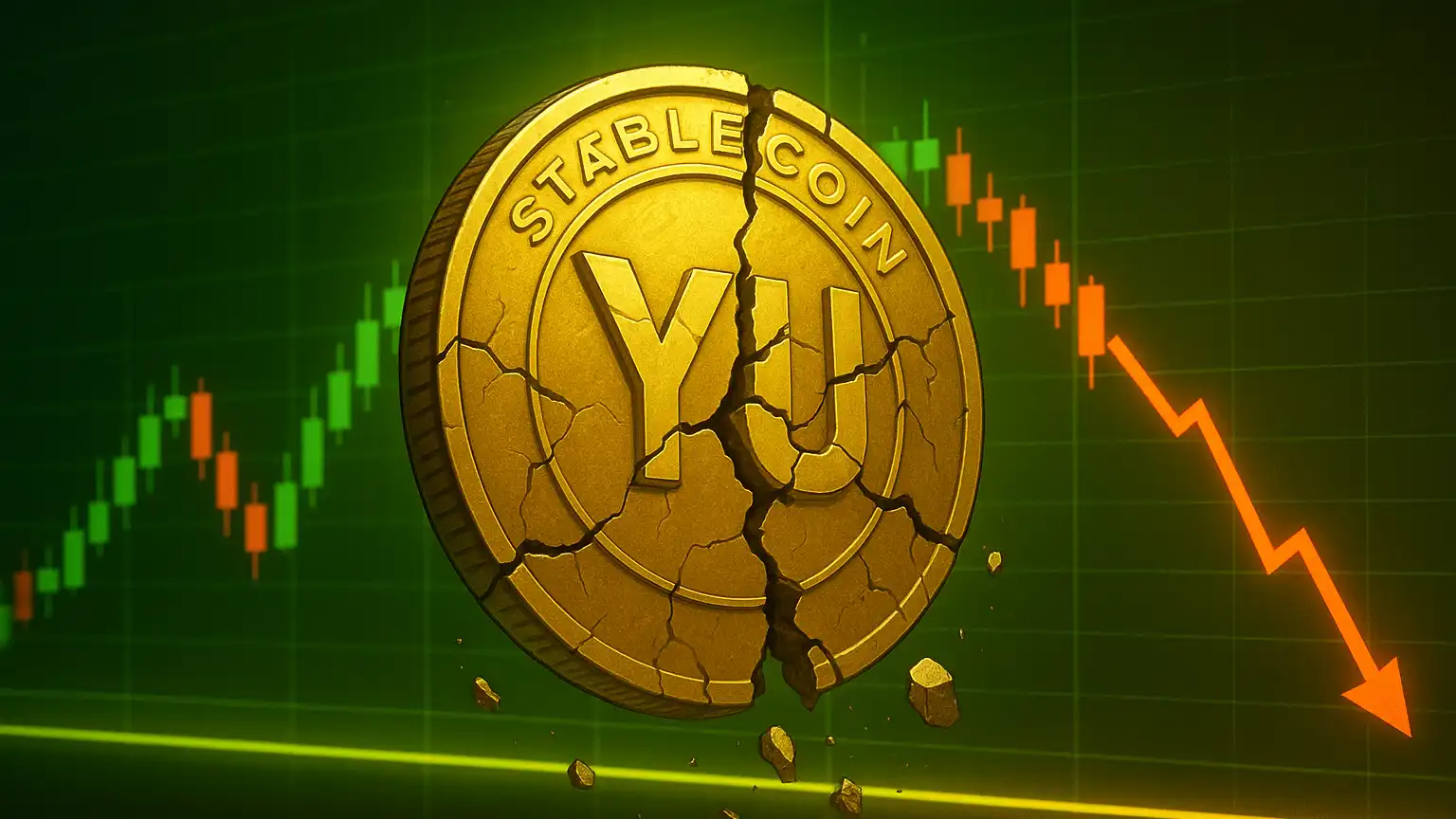
In mid-September 2025, Yala’s Bitcoin-backed stablecoin YU suffered a major security breach that shattered its dollar peg. An attacker exploited the protocol to mint roughly 120 million YU tokens on Polygon, then dumped about 7.7 million of them across Ethereum and Solana exchanges. They converted the proceeds to USDC, swapped into ETH, and walked away with the funds.
The immediate aftermath was brutal. YU crashed to just $0.20—an 80% drop from its intended $1.00 peg. It clawed back to around $0.92 within days, but has since settled into a frustrating range between $0.50 and $0.80. Right now, the token trades near $0.57, still far below where it needs to be.
What made things worse was the shallow liquidity. The main Ethereum pool held only about $340,000 in USDC—nowhere near enough to handle serious selling pressure or support arbitrage traders trying to fix the peg. For a stablecoin with a market cap hovering around $120-140 million, that’s dangerously thin. Yala responded by pausing its Convert and Bridge features while working with security teams to patch vulnerabilities and investigate the breach.
Where Things Stand Now
Today, YU sits at roughly $0.57—a meaningful recovery from the $0.20 low, but still deeply underwater. Trading has been choppy and volatile, with some 24-hour periods showing gains over 17%. Don’t mistake that for genuine recovery though. Most of the action comes from speculators and arbitrage hunters, not from restored confidence in the peg.
From a technical standpoint, the picture is murky. Short-term charts show occasional bullish signals—moving averages tilting up, momentum indicators like MACD flashing buy signals on intraday timeframes. But zoom out and the longer-term view is still bearish or neutral at best. Support seems solid around $0.20 to $0.30, where post-attack lows formed. Resistance clusters between $0.85 and $1.10, right where the psychological weight of peg expectations lives.
The Liquidity Problem
Trading volume remains painfully light, especially with withdrawals and deposits still disrupted on many platforms. When volume is this low, every trade has outsized impact. A single large sell order can trigger sharp drops because there simply aren’t enough buyers to absorb the pressure. The thin USDC pools mean arbitrageurs—the traders who normally help restore stablecoin pegs—can’t do their job efficiently. Until liquidity improves and protocol features come back online, price swings will stay erratic and risky.
What Comes Next for YU
Looking ahead, there are a few plausible paths for YU’s price, each depending on what Yala does next and how the market responds.
The pessimistic case: If liquidity stays thin and the Convert and Bridge features remain offline, YU could easily drift back down toward $0.20 to $0.30. Any fresh bad news—an unresolved security gap, more tokens being dumped—would likely push it lower. Break below $0.20 and you’re looking at purely speculative value, with limited hope for recovery.
The optimistic case: If Yala successfully restores key features, publishes a credible security audit, and attracts fresh stablecoin liquidity into the pools, YU could rally back toward $0.85 to $1.10. Getting past those resistance levels means rebuilding real trust—probably requiring institutional backing or whale participation. It’s not impossible, but it’ll take more than words.
The most likely scenario: YU probably bounces around in the $0.50 to $0.80 range for a while. Sentiment is mixed, some functionality comes back gradually, but full peg restoration stays out of reach. Expect occasional dips toward $0.30 when bad news drops, and brief rallies toward $0.90 that get capped by structural concerns and lingering doubt.
What should traders watch? Keep your eyes on security audit results, announcements about reactivating paused features, and any meaningful increases in USDC liquidity. Communication from the Yala team on governance fixes and bridge repairs matters more right now than any pattern on a price chart. Those catalysts will move the needle—one way or the other.